This site is powered by the ProTrainings platform. All content is © 2026, ProTrainings Europe Ltd. All rights reserved.


Pro Trainings is rated 4.6 out of 5 based on 70450 ratings.
This site is powered by the ProTrainings platform. All content is © 2026, ProTrainings Europe Ltd. All rights reserved.
Pro Trainings is rated 4.6 out of 5 based on 70450 ratings.

Recognising and Responding to a Medical Emergency Using the F.A.S.T. Protocol A stroke is a serious, life-threatening medical condition that occurs when the blood supply to a part of the brain is disrupted. Strokes can lead to long-term disability or…
Heart attack and angina are both serious heart conditions that require immediate attention. While angina is usually a warning sign of heart disease, a heart attack is a medical emergency that can be life-threatening. Understanding the symptoms of each and…
Recognising and Responding to Anaphylactic Shock Anaphylaxis is a severe, life-threatening allergic reaction that can occur suddenly after exposure to an allergen, such as certain foods, insect stings, or medications. Anaphylactic shock can cause the body’s immune system to overreact,…
Asthma attacks can be frightening and life-threatening if not managed quickly. An asthma attack occurs when the muscles around the airways tighten, causing them to narrow and making it difficult to breathe. Understanding the signs of an asthma attack and…
Shock is a life-threatening condition that occurs when the body is not getting enough blood flow, resulting in insufficient oxygen reaching the tissues and organs. Shock can develop after a severe injury, blood loss, allergic reactions, or other medical emergencies.…
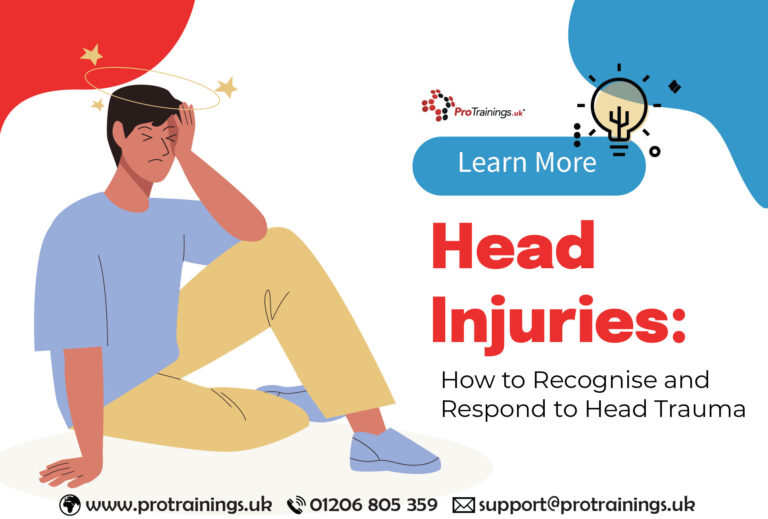
Head injuries are a common occurrence and can range from minor bumps and bruises to serious trauma that affects the brain. It is important to treat all head injuries with caution, as symptoms may not always be immediately obvious. Proper…
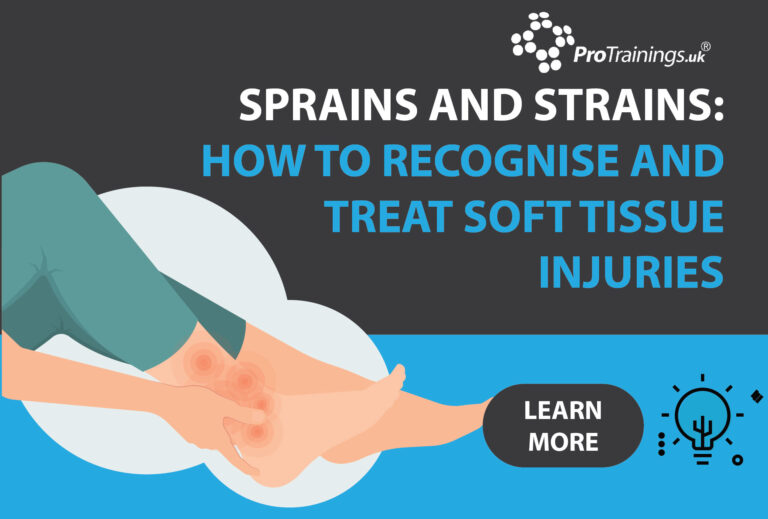
Sprains and strains are common injuries that affect the muscles, ligaments, and tendons. While they are not usually life-threatening, they can be very painful and may limit movement. Proper first aid for these injuries can help alleviate pain, reduce swelling,…
Fractures and dislocations are injuries that involve the bones and joints, which can be extremely painful and require immediate attention. A fracture refers to a broken bone, while a dislocation occurs when the bones at a joint are forced out…
Burns and scalds are common injuries that occur when skin is damaged by heat, chemicals, electricity, or radiation. They can range from mild to life-threatening, depending on the depth and extent of the burn. Knowing how to treat burns and…
Bleeding injuries, whether minor or severe, can happen unexpectedly and require prompt action to prevent complications. Knowing how to manage bleeding effectively can stop a situation from becoming life-threatening, as well as prevent infections and promote healing. This guide covers…

